

What to Know Before You Go
The Coquihalla Highway (Highway 5) is one of British Columbia’s most important routes, connecting the Lower Mainland to the Interior. It’s also one of the province’s most challenging highways due to high elevations, fast-changing weather, and long stretches without services.
Whether you’re heading out for a ski trip, visiting family, or driving for work, taking a few minutes to prepare your vehicle can make a big difference in your safety and comfort.
Check Road Conditions Before You Leave
Conditions on the Coquihalla can change quickly — even when the weather looks clear in the city.
Before you go, check:
- Current road conditions and closures
- Highway webcams
- Weather forecasts along the route
The most reliable source is DriveBC, which provides real-time updates for Highway 5.
Tip from our technicians: if conditions are deteriorating, waiting an hour can often make the drive significantly safer.
The Coquihalla Cams
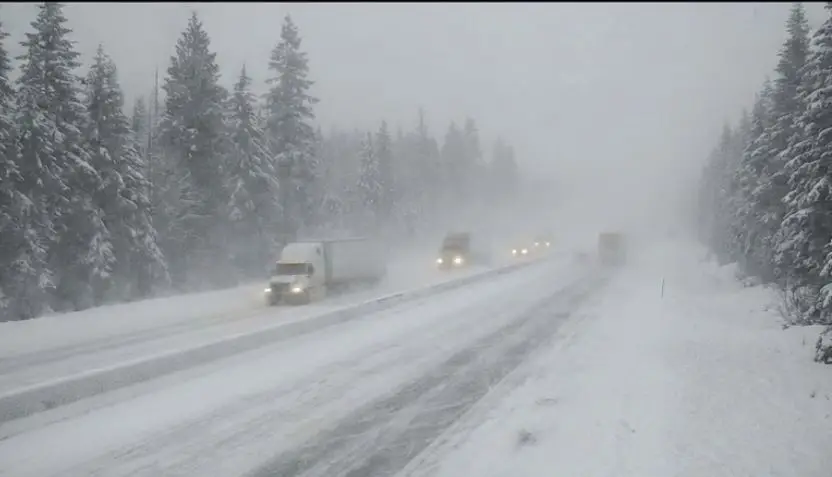
Driving between Kamloops and Hope can be a wild ride – travelers, beware! The highway is flanked with formidable avalanche chutes that harken the steep terrain all around. In winter, it’s kept open thanks to powerful machinery like avalanche guns mounted on platforms nearby. Check the BC Highway weather cams for the Coquihalla road conditions before starting out. Driving this route has its risks: strong snowfall makes it tricky even for experienced drivers to stay safe while traversing the path; plus there’s also an uphill grade in summer months which could put your car at risk of overheating if you’re not careful or well-equipped enough. Thankfully though, Highway patrols are frequent, but cell service is spotty and cannot be counted on.
Winter Tire Requirements (October 1 – April 30)
From October 1 to April 30, most BC mountain highways — including the Coquihalla — require winter tires or chains.
A legal winter tire in BC must have:
- An M+S or 3-peak mountain/snowflake (3PMSF) symbol
- A minimum tread depth of 3.5 mm
While M+S tires meet the legal requirement, 3-peak mountain/snowflake tires provide much better traction in true winter conditions. We also recommend carrying chains when travelling through the mountain passes in winter.
Visibility Matters More Than You Think
Poor visibility is one of the biggest risk factors on the Coquihalla.
Before your trip, make sure:
- All headlights, brake lights, and signal lights are working properly
- Windshield washer fluid is rated for freezing temperatures
- Wiper blades are in good condition and clearing the windshield evenly
- Your defroster is working effectively
If your windshield fogs easily or your wipers streak, it’s worth addressing before the drive.
Summer Driving: Don’t Ignore Your Cooling System
In warmer months, long climbs and sustained highway speeds put extra stress on your vehicle.
Before summer travel:
- Ensure your coolant level is correct
- Watch for temperature warning lights
- Pay attention to overheating smells or steam
A small cooling issue in the city can become a breakdown on a mountain pass.
Give Yourself More Space on the Road
Even when conditions look good, the Coquihalla demands patience.
Safe driving tips:
- Increase following distance, especially in snow or rain
- Avoid sudden braking or aggressive lane changes
- Use lower gears when descending long grades
- Don’t rely on cell service — some areas have limited coverage
Arriving a few minutes later is far better than not arriving at all.
Quick Coquihalla Pre-Trip Checklist
Before driving Highway 5, take two minutes to confirm the basics:
- Tires: Adequate tread depth and proper inflation
If unsure, book a quick tire inspection in Burnaby - Lights: Headlights, brake lights, and signals working
→ Electrical issues can be checked during an electrical system inspection - Windshield & Visibility: Wipers in good shape and washer fluid rated for freezing. Visibility problems are often caught during a vehicle inspection
- Cooling System (especially summer travel): Coolant topped up, no leaks or warning lights
→ Long mountain climbs put stress on the system - Fuel Level: Fill up before entering long stretches without services
If anything feels off, it’s best to address it before leaving the city.
Trusted Vehicle Inspections in Burnaby
At Crompton Brothers Automotive, we’ve been helping Burnaby drivers travel safely since 1980. Our technicians understand the demands BC highways place on vehicles and can spot issues before they become problems on the road.
If you’re planning a trip over the Coquihalla and want confidence in your vehicle, we’re happy to help.
📞 Call 604-540-0304 or
📍 Visit us at 7797 Edmonds Street, Burnaby
Frequently Asked Questions About Driving the Coquihalla Highway
Do I need winter tires on the Coquihalla Highway?
Yes. From October 1 to April 30, winter tires or chains are required on most BC mountain highways, including the Coquihalla. Legal tires must have M+S or the 3-peak mountain/snowflake symbol and at least 3.5 mm of tread depth.
Are M+S tires good enough for the Coquihalla?
M+S tires meet the legal requirement, but 3-peak mountain/snowflake tires provide better traction in snow and ice. For frequent winter travel, they are strongly recommended.
Where can I check Coquihalla road conditions?
The best source for real-time conditions, webcams, and closures is DriveBC. Conditions can change rapidly, even if weather is clear in the Lower Mainland.
Is the Coquihalla dangerous in summer?
It can be. High speeds, long uphill grades, and hot weather can strain cooling systems. Overheating is a common cause of summer breakdowns, which is why checking your vehicle beforehand is important.
What should I do if my car starts overheating on the Coquihalla?
Safely pull over as soon as possible, turn off the engine, and allow it to cool. Continuing to drive can cause severe engine damage. Many overheating issues can be prevented with a routine cooling system inspection before your trip.
Should I get my car inspected before driving Highway 5?
If you’re planning a long trip, winter travel, or haven’t had your vehicle checked recently, a pre-trip inspection is a smart move. A vehicle inspection can identify issues before they become roadside problems.
Read More
Why Are My Brakes Squeaking?
Burnaby Fleet Servicing
Winter driving Tips
Fall Car and Truck Maintenance
Save money On Gas Tips
Prepare Your Car For Winter
Brake Check Safety
Air Conditioning


